How to Stop the Contraceptive Pill Naturally
What to Expect and How to Support Your Body. A personal journey backed by science, for every woman who has wondered whether coming off the pill is right for her.
My Story: Why I Decided to Stop the Pill After 18 Years
This post is personal, but since starting this journey I have met so many women in exactly the same situation that I feel it is my duty to share what I have learned.
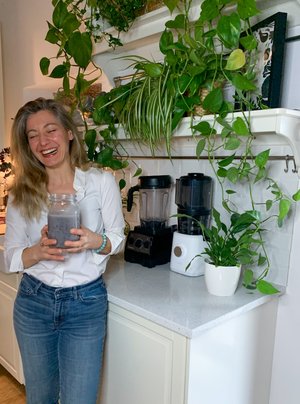
At the beginning of 2016, I felt a growing urge to stop taking the contraceptive pill. After 18 years on hormonal birth control, my body was sending quiet but persistent signals that something needed to change. I could not always articulate why, but the feeling was undeniable.
I believe it was connected to the broader lifestyle shifts I had already made: a whole-food, plant-based diet, natural skincare, and a more holistic approach to health in general. Taking a synthetic, man-made hormone every day began to feel out of step with everything else. And yet the decision was not easy.
The one time I had previously tried to stop the pill , at 23 years old , my skin broke out badly and I felt like a hormonal teenager. After four months I went back on it, and my gynaecologist added Androcur (cyproterone acetate), an anti-androgen medication, to my combined pill. Androgens are male hormones that stimulate the sebaceous (oil) glands and can cause acne, and Androcur was the fastest fix available at the time.
This time, I was armed with knowledge. I spent months researching hormones, nutrition, and natural support before I finally stopped. I am happy to report that I had a completely different experience.
What Happens to Your Body When You Stop the Pill
Before diving into what helped me, it is worth understanding the basic physiology , because knowing why your body reacts as it does makes the whole process far less frightening.
When you take the oral contraceptive pill, your body receives a steady external supply of synthetic oestrogen and possibly progestogen. Your own hormonal system essentially takes a back seat. When you stop, your body needs time to re-activate its natural hormonal rhythm, and during that window, things can feel unpredictable.
Common post-pill experiences include:
Skin breakouts (an "androgen rebound" as testosterone levels normalise)
Irregular periods or a temporary absence of your cycle
Mood fluctuations
Water retention changes (often less bloating and puffiness)
Shifts in energy and libido
The good news is that all of these are temporary, and there is a great deal you can do to smooth the transition.
Tracking Your Cycle: Know Where You Are
One of the first things I did was download two period-tracking apps — Clue and My Calendar (both available on iOS and Android). After years of the pill, I had no idea how to count my cycle days. Tracking brought awareness back to my body and helped me spot patterns as my natural rhythm returned.
If you are coming off the pill, I strongly recommend starting to track before you stop, so you have a baseline.
Natural Supplements That Helped Me (and What the Science Says)
I want to be clear: none of this is medical advice. Please consult your healthcare professional before starting any supplement programme. That said, here is what I used, and what the research suggests about each one.
1. Maca Root (Lepidium meyenii)
Maca is an adaptogenic root from the Peruvian Andes, in the same family as beetroot and cruciferous vegetables. I add it to smoothies daily.
The term adaptogen refers to a plant's ability to help the body adapt and regulate , essentially supporting what is out of balance in either direction.
What the science says: A systematic review published in Maturitas (Lee et al., 2011) found that maca had favourable effects on menopausal symptoms including hormonal balance. It is thought to work through plant sterols that stimulate the endocrine system to regulate itself. A study of perimenopausal women found that eight weeks of maca supplementation increased oestradiol (E2) levels and improved sleep , without directly introducing external hormones. This makes it a particularly interesting option for women trying to restore their natural hormonal function post-pill.
2. Vitex Agnus-Castus (Chasteberry / Agnus Castus)
I took this for a short period to help regulate my cycle. It should not be used long-term, but as a short-term support it is well regarded in herbal medicine.
What the science says: A large real-world study published in Archives of Gynecology and Obstetrics (2024) analysed data from 1,700 women with menstrual cycle disorders. Three months of Vitex treatment reduced the proportion of women with an irregular cycle from 9.1% to just 0.1%, and significantly reduced breast tenderness. A meta-analysis published in Phytomedicine also confirmed chasteberry was significantly more effective than placebo for PMS symptoms (relative risk: 2.45). The mechanism is thought to involve dopaminergic activity in the hypothalamic-pituitary-gonadal axis, reducing prolactin and helping normalise the cycle.
Important note: Vitex can interact with hormonal medications and is not suitable for everyone. Check with your doctor, particularly if you are trying to conceive or have a hormone-sensitive condition.
3. Probiotics and Gut Health
I was already taking probiotics before stopping the pill, but I want to emphasise just how central gut health is to hormonal regulation.
Oral contraceptives have been shown to alter the gut microbiome. A disrupted gut lining can increase intestinal permeability ("leaky gut"), drive systemic inflammation, and impair the body's ability to metabolise and clear hormones properly. The gut-brain axis is real — a healthy gut supports pituitary function and therefore hormonal signalling throughout the body.
In addition to a high-quality probiotic supplement, focus on fermented foods: live yogurt (if you consume dairy), kefir, sauerkraut, kimchi, miso, and tempeh are all excellent natural sources of beneficial bacteria.
4. B-Complex Vitamins (Including B12)
The pill has been well documented to deplete a range of micronutrients, including B vitamins (particularly B6, B9/folate, and B12), vitamin C, magnesium, and zinc. These are not minor deficiencies — B vitamins are essential for reproductive health, energy metabolism, and nervous system function.
As a vegan, I take B12 year-round (this is non-negotiable on a plant-based diet). When I stopped the pill, I added a full B-complex for a period to help replenish depleted stores. Once your diet is comprehensive and your body has re-established its absorption capacity, a varied whole-food diet should provide most B vitamins — with B12 remaining the exception for vegans and vegetarians.
Supplement quality matters. Look for brands that use methylated forms of folate (methylfolate) and B12 (methylcobalamin), which are more bioavailable than their synthetic counterparts.
5. Zinc
This one is particularly important for skin health post-pill.
What the science says: Research has confirmed that oral contraceptives interfere with the body's absorption of zinc. A meta-analysis published in the Journal of the Academy of Nutrition and Dietetics confirmed lower serum zinc levels in acne-prone individuals, and a review of zinc-based treatments demonstrated their efficacy in reducing breakouts. Zinc works by regulating testosterone activity, inhibiting acne-causing bacteria, and reducing excess keratin production that blocks pores. For anyone worried about post-pill skin issues, zinc supplementation is one of the most evidence-based interventions available.
Diet: The Foundation Everything Else Rests On
No supplement can compensate for a poor diet. What you eat directly affects your hormonal balance, inflammatory load, gut health, and skin — all of which are interconnected.
Cut Out (or Dramatically Reduce) Dairy
This is the single dietary change I would emphasise most, especially for anyone concerned about post-pill acne.
What the science says: A meta-analysis of observational studies published in the Journal of the American Academy of Dermatology (2018) found that high dairy intake was associated with a significantly increased likelihood of acne (OR: 2.61). A larger systematic review and meta-analysis covering 78,529 participants confirmed this association across multiple countries and age groups.
The mechanism is well understood: dairy — including low-fat and skim milk — raises levels of insulin-like growth factor 1 (IGF-1). IGF-1 increases sebum production, stimulates follicular growth, and activates androgen pathways, all of which drive acne. Dairy also contains dihydrotestosterone precursors and bovine growth hormones that the human body was not designed to process on a large scale.
This is compounded when you come off the pill: you are already experiencing an androgen rebound — the last thing your skin needs is additional hormonal stimulation from dairy.
Eat an Anti-Inflammatory, Plant-Rich Diet
A diverse, whole-food, plant-based diet is one of the most effective ways to support hormonal balance and skin health. Prioritise:
Cruciferous vegetables (broccoli, kale, cauliflower, Brussels sprouts) — contain indole-3-carbinol, which supports oestrogen metabolism in the liver
Flaxseeds — a rich source of lignans, which help modulate oestrogen activity
Legumes, nuts, and seeds — excellent sources of zinc, magnesium, and healthy fats
Berries and colourful vegetables — rich in antioxidants that reduce systemic inflammation
Oily fish (if not vegan) or algae-based omega-3s — anti-inflammatory essential fatty acids
Avoid processed foods, refined sugar, and high-glycaemic foods, all of which spike insulin, elevate IGF-1, and worsen hormonal imbalance.
The Skin During Transition: What to Expect
Post-pill acne is one of the most common concerns for women coming off hormonal contraception — and it is the main reason many go back on it. Understanding what is happening physiologically can help you hold your nerve.
When you stop the pill, your ovaries resume producing their own hormones. Testosterone levels may temporarily spike in what is called an "androgen rebound," causing the sebaceous glands to produce more oil than they did while you were on the pill. This excess sebum can block pores and create the conditions for breakouts.
This is temporary. For most women it resolves within three to six months as the body re-establishes its own hormonal balance. In the meantime:
Natural oils for skincare — almond, argan, rosehip, and wheatgerm oils are excellent for keeping skin hydrated without clogging pores
Zinc supplementation (as above)
Avoid harsh antibacterial soaps — they strip beneficial bacteria from the skin's microbiome
Avoid conventional skincare products containing endocrine-disrupting chemicals such as parabens, phthalates, and synthetic fragrances, which can worsen hormonal imbalance
Lifestyle Factors That Accelerate Recovery
Hydration and Water Quality
Drinking sufficient water is essential for flushing toxins, supporting kidney and liver function, and keeping skin hydrated. Aim for 1.5–2 litres of pure water daily.
A note on water quality: plastic bottles are a genuine concern — BPA (bisphenol A), a chemical found in many plastics, is a known endocrine disruptor that can mimic oestrogen in the body. Use a reusable glass or stainless-steel bottle. If tap water quality is a concern in your area, a carbon-block water filter is an affordable and effective option.
Exercise
Cardiovascular exercise supports the body's natural detoxification pathways through sweating, improves insulin sensitivity (directly relevant to hormonal balance), and helps regulate cortisol. Aim for 30 minutes of moderate cardio most days.
Yoga
Yoga is more than a physical practice. Certain sequences directly stimulate the endocrine glands — particularly the thyroid, adrenals, and pituitary — which are all involved in hormonal regulation. A consistent yoga practice can help calm the nervous system, reduce cortisol, and bring the body's systems back into equilibrium.
Meditation and Stress Reduction
High cortisol — the stress hormone produced by the adrenal glands — directly interferes with the production of sex hormones. Chronic stress is one of the most underrated drivers of hormonal imbalance.
Just 10 minutes of guided meditation daily can meaningfully lower cortisol levels and support hormonal recovery. There are many excellent free resources available: apps such as Insight Timer, Calm, and Headspace, or simply a guided session on YouTube. You do not need any prior experience.
A Note on the Pill and Mood
Some women notice a shift in mood after stopping hormonal contraception — often in a positive direction. The relationship between the contraceptive pill and mood is a topic of active scientific debate.
A large population-based cohort study using data from 264,557 women (UK Biobank) found that the first two years of oral contraceptive use were associated with a meaningfully higher risk of developing depression compared with those who had never used it. A separate landmark Danish cohort study of over one million women found contraceptive users were 23% more likely to be later prescribed antidepressants.
However, it is important to note that the evidence is genuinely mixed — other studies have not found this association, and some have even found a slightly protective effect in certain populations. The key takeaway is that if you have noticed mood changes on the pill, it is worth discussing with your doctor — this is a legitimate clinical consideration, not something you simply have to accept.
Be Patient, Be Kind to Yourself
The body is remarkable. Given the right conditions — nourishment, movement, rest, and time — it will find its way back to its natural rhythm. The thought of stopping the pill was scarier than actually doing it. Once I made the decision and committed to supporting my body properly, it became far more manageable.
Two months in, I experienced some breakouts — but nothing like what happened at 23, when I had none of this knowledge. My skin is improving. My energy is different — better, in ways I find hard to fully articulate. And the sense of reconnecting with my body's natural signals has been worth more than I expected.
If you are considering this step, you are not alone. Take your time, do your research, work with a healthcare professional you trust, and remember: temporary discomfort is not failure. It is your body doing the hard work of coming home to itself.
Summary: How to Support Your Body When Coming Off the Pill
WhatWhyTrack your cycle (Clue, My Calendar)Rebuild awareness of your natural rhythmMaca rootAdaptogenic support for hormonal balanceVitex agnus-castus (short-term)Helps regulate the cycle post-pillProbiotics + fermented foodsRestore gut health and hormone metabolismB-complex vitamins (+ ongoing B12 if vegan)Replenish pill-depleted micronutrientsZincSupports skin health and immune functionCut out dairyReduces IGF-1 and androgen-driven acneWhole-food, plant-rich dietAnti-inflammatory foundation for hormonal healthNatural skincare (no endocrine disruptors)Avoid compounding hormonal disruption topicallyFiltered water in non-plastic containersAvoid BPA and other endocrine disruptorsExercise and yogaDetox pathways, insulin sensitivity, endocrine regulationDaily meditationLower cortisol, support adrenal health
Please note: this article reflects personal experience and is for informational purposes only. It is not a substitute for medical advice. Always consult a qualified healthcare professional before changing your contraception or starting a new supplement regime.
References and Further Reading
Lee MS et al. (2011). Maca (Lepidium meyenii) for treatment of menopausal symptoms: a systematic review. Maturitas, 70(3), 227–233. PubMed
Meissner HO et al. (2006). Hormone-balancing effect of pre-gelatinized organic Maca. International Journal of Biomedical Science, 2(4), 375–394. PMC
Höller M et al. (2024). Use of Vitex agnus-castus in patients with menstrual cycle disorders. Archives of Gynecology and Obstetrics. PMC
Lagroye I et al. (2018). Dairy intake and acne development: a meta-analysis of observational studies. Clinical Nutrition, 38(3). ScienceDirect
Halvorsen JA et al. (2018). Dairy intake and acne vulgaris: systematic review and meta-analysis of 78,529 children, adolescents, and young adults. Nutrients, 10(8), 1049. PMC
Johansson T et al. (2023). Population-based cohort study of oral contraceptive use and risk of depression. Epidemiology and Psychiatric Sciences. PMC
Skovlund CW et al. (2016). Association of hormonal contraception with depression. JAMA Psychiatry, 73(11), 1154–1162.
NCbi — Serum zinc, selenium and vitamin D levels in patients with acne vulgaris. PMC